Understanding the psychological tricks used by casinos to influence player behavior
The Allure of the Environment
Casinos are meticulously designed to create an atmosphere that encourages players to spend more time and money. From the moment one steps inside, the combination of vibrant colors, intriguing sounds, and strategic lighting work together to create a sensory overload that captivates players. The absence of windows and clocks also plays a crucial role, as it allows players to lose track of time, making them less aware of how long they’ve been gambling. If you’d like to delve deeper into this topic, you can read more about the evolution of online gambling environments.
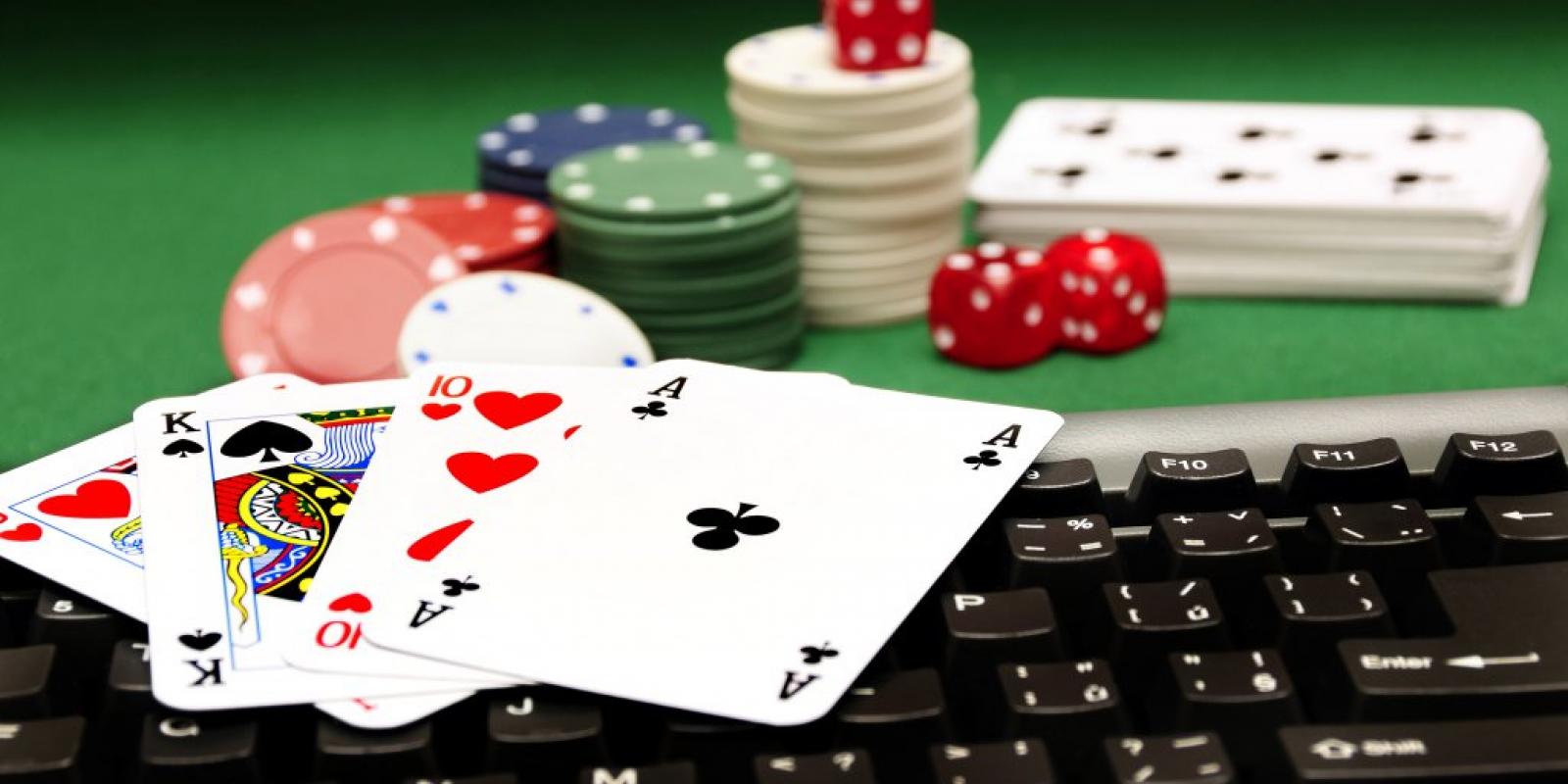
This carefully curated environment aims to enhance the gaming experience, often making it more engaging and pleasurable. By employing psychological triggers, casinos can manipulate emotions and create a sense of excitement that draws players deeper into the gaming floor.
The Power of Rewards
Casinos use rewards systems, such as loyalty programs and free perks, to influence player behavior. These rewards create a sense of reciprocity; when players receive something for free, they often feel compelled to give back through increased spending. This principle is rooted in social psychology, where the act of receiving leads to the desire to reciprocate the kindness. The impact of these strategies has contributed significantly to the historical evolution of gambling practices.
Additionally, the thrill of winning, even in small amounts, reinforces the behavior of gambling. When players receive unexpected rewards, it stimulates the brain’s reward pathways, releasing dopamine and further encouraging them to gamble more. This cycle of winning and losing keeps players engaged longer than they may have originally planned.
The Illusion of Control
Many games in casinos are designed to give players a false sense of control over their outcomes. For instance, slot machines often allow players to press buttons or pull levers, which can create an illusion that their actions can influence the game’s outcome. This perception can lead players to believe they have a better chance of winning, thereby encouraging them to continue playing.
This psychological trick is particularly effective because it taps into the human desire for agency. When players feel they have some control, they are more likely to keep wagering, despite the odds being against them. This misconception of control can lead to extended gambling sessions, often resulting in increased losses.
The Role of Social Interaction
Casinos facilitate social interaction in various ways, from communal gaming tables to bars and lounges. Engaging with others can amplify the excitement of gambling, making it feel more like a shared experience rather than an isolated activity. This social aspect plays on the psychology of conformity and community, often encouraging players to spend more time and money in the company of others.
Moreover, the presence of cheering crowds and celebrations around winners can create an infectious atmosphere. This social reinforcement makes the thrill of gambling more appealing, as players want to be part of the action and feel the communal excitement of potential wins.

Enhancing Your Gaming Experience
Understanding these psychological tricks can empower players to make informed decisions while gambling. By being aware of how casinos influence behavior, players can develop strategies to mitigate the effects and engage in responsible gaming practices. It’s essential to set limits and recognize when the excitement may be leading to excessive spending.
Whether you are a novice or an experienced player, knowing the psychological tactics at play can help you navigate the casino landscape more effectively. This awareness contributes to a healthier gaming experience, allowing you to enjoy the entertainment without falling victim to the allure of the casino’s design.